
A lot of business owners are already spending serious money every month.
They are buying fuel, materials, advertising, supplies, software, travel, equipment, and everyday business necessities. The spending is already happening. The money is already going out.
The problem is that many of them are using a basic card, debit card, check, or bank transfer and getting little to nothing back for it.
That is where I saw the opportunity.
I started paying attention to credit card rewards in my personal life first. I saw how the right card setup could turn regular spending into cash back, points, or travel rewards without having to spend extra money. Then I realized something important: if this works on a personal level, the opportunity can be much bigger for business owners.
A business owner spending $10,000, $20,000, $50,000, or more every month has a lot more potential than the average consumer. But most are either not using rewards correctly, or they are making it way more complicated than it needs to be.
My opinion is simple: business owners do not need credit card rewards to become a second job.
They just need the right setup.

Most Business Owners Are Already Spending the Money
One of the biggest mistakes people make when they hear about credit card rewards is thinking they need to spend more money to earn more rewards.
That is the wrong way to look at it.
The goal is not to create new spending. The goal is to earn more from the spending that is already happening.
Many business owners are already spending thousands of dollars every month on things like:
- Fuel
- Job materials
- Office supplies
- Advertising
- Software subscriptions
- Travel
- Hotels
- Equipment
- Inventory
- Insurance
- Utilities
- Vendor payments
If those expenses are being paid with a low-value card, debit card, check, or ACH payment, that business may be leaving real money on the table.
For a business spending at least $10,000 per month, even a simple 2% cash back setup could create $200 per month in rewards.
That is $2,400 per year.
And that is with a basic example. No complicated points strategy. No juggling ten cards. No spending hours reading reward blogs.
Just using a better setup for money the business was already going to spend anyway.
The Best Rewards Strategy Is Usually the Simple One
A lot of people overcomplicate credit card rewards.
They think they need to have a wallet full of cards. They think they need to track every bonus category. They think they need to become experts in airline points, hotel transfers, and reward charts.
For some people, that may be fun.
But for most business owners, that is not realistic.
Business owners are already busy. They are dealing with customers, employees, jobs, invoices, payroll, taxes, marketing, and daily problems. The last thing they need is another system that feels like work.
That is why I believe the best credit card rewards strategy is the one a business owner can actually stick with.
A good system should be:
- Simple to understand
- Easy to use
- Matched to the business’s real spending
- Focused on cash back or travel rewards
- Built around cards the owner can pay off every month
- Easy to review once in a while without constant management
The goal is not to impress people with a complicated points strategy.
The goal is to help the business owner earn more value from the spending they already have.
This Only Works If You Pay the Cards Off Every Month
This is important.
Credit card rewards only make sense if the business owner is paying the cards off in full every month.
If someone is carrying a balance and paying interest, the rewards usually are not worth it. The interest can wipe out the value of the points or cash back very quickly.
That is why the ideal business owner for this strategy is someone who already has healthy spending habits.
This is for business owners who:
- Spend at least $10,000 per month
- Pay their credit cards off every month
- Want to earn cash back or travel rewards
- Do not want to learn every detail themselves
- Want a simple setup that fits their business
If a business owner is already paying expenses responsibly, then rewards can become a bonus on top of the spending they are already doing.
But if they are using cards to float expenses they cannot afford, that is a different conversation.
Rewards should never be a reason to go into debt.
Why Basic Cards Can Cost Business Owners Money
Many business owners have a credit card they have used for years.
Maybe it came from their bank. Maybe it was easy to get. Maybe they signed up for it when they first started the business and never thought about it again.
The problem is that the card may not match how the business actually spends money.
A contractor who spends heavily on fuel, materials, and equipment may need a different setup than a medical office spending on software, supplies, and advertising.
A business owner who travels often may benefit from a different setup than someone who mainly wants simple cash back.
That is where rewards can get confusing.
Not every “good” card is good for every business.
The right card setup depends on things like:
- Monthly spending amount
- Main spending categories
- Whether the owner wants cash back or travel
- Whether employees need cards
- Whether the business travels
- Whether the owner wants simple rewards or higher-value points
- Whether the business pays the card off every month
This is why guessing is not always the best strategy.
A business owner may have a card that works, but that does not mean it is the best card for their spending.

A Simple Example: $10,000 Per Month in Business Spending
Let’s keep the math simple.
A business owner spending $10,000 per month on regular business expenses could earn meaningful rewards just by using a better card setup.
At 2% cash back, that is:
- $200 per month
- $2,400 per year
That money could be used for travel, business expenses, family trips, savings, or simply added back into the business.
And again, that is just a simple example.
Some businesses spend much more than $10,000 per month. Some have categories where they could earn more than 2%. Some may benefit more from travel rewards than straight cash back.
But the point is this: the opportunity is already there.
The business owner does not need to change everything. They just need to stop running major expenses through a card that gives them very little in return.
You Do Not Need Ten Cards to Win
One reason business owners avoid credit card rewards is because they think it will be too much to manage.
They imagine having ten cards, due dates everywhere, complicated spreadsheets, and reward programs they do not understand.
It does not have to be that way.
For many business owners, the right setup may only involve one to three cards.
For example, a simple setup could include:
- One strong everyday business card
- One card for a major spending category
- One travel or cash back card that fits the owner’s goals
That is it.
The point is not to chase every possible reward. The point is to build a setup that is easy enough to use consistently.
A simple system used every month is better than a complicated system that gets ignored.
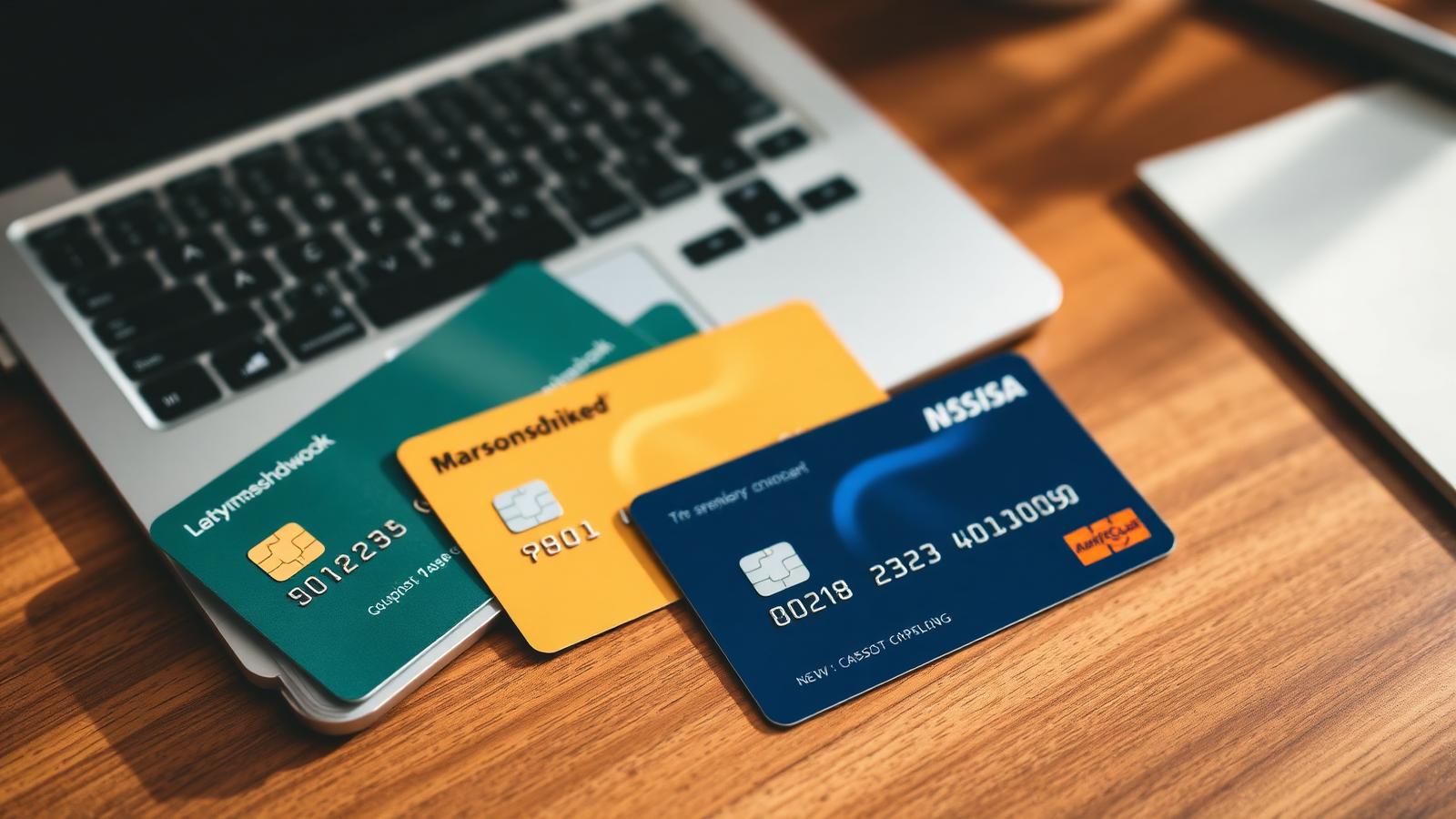
The Real Opportunity Is Matching the Card to the Business
The biggest win usually comes from matching the card setup to the way the business already spends money.
A business that spends heavily on advertising may need a different rewards strategy than a business that spends mostly on fuel and materials.
A business that travels often may benefit from travel rewards, hotel points, or airline points.
A business owner who does not want to think about points may be better off with simple cash back.
There is no one-size-fits-all answer.
That is why I believe business owners should not try to figure it all out on their own if they do not want to. They can, but they do not have to.
Just like a business owner may hire someone for taxes, marketing, bookkeeping, or insurance, they can also get help choosing the right credit card rewards setup.
The goal is not to make the owner a credit card expert.
The goal is to help them make a better decision.
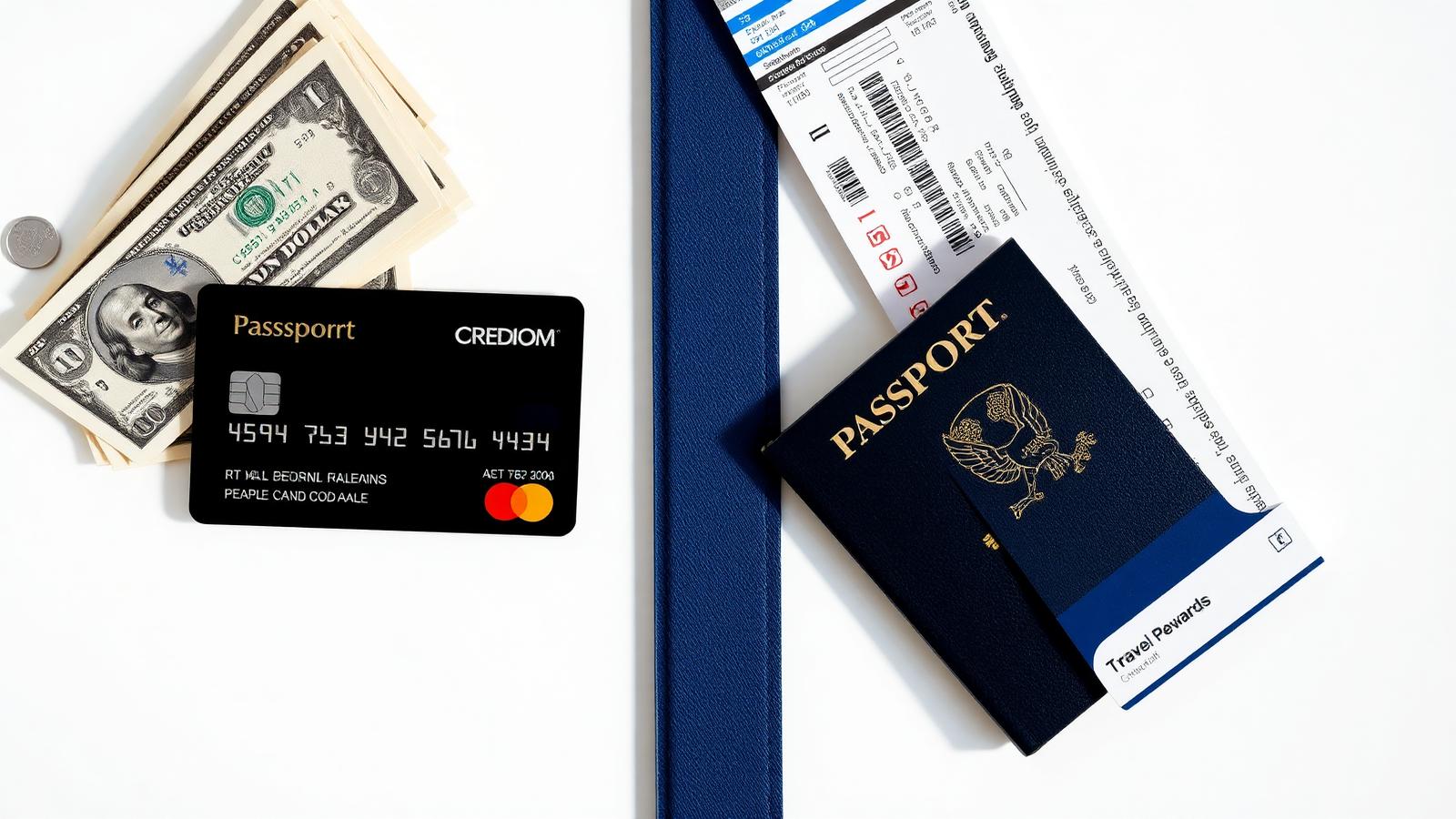
Cash Back vs. Travel Rewards
One of the first questions a business owner should ask is whether they want cash back or travel rewards.
Cash back is simple. It is easy to understand, easy to track, and easy to use. If that sounds like you, the simple cash back setup is a good starting point.
Travel rewards can sometimes create more value, but they may take a little more planning. For a business owner who likes to travel, take family vacations, visit clients, or attend conferences, travel rewards can be a great option — see how to book business class with points for a real-world example.
There is no wrong answer.
The better choice depends on the owner’s lifestyle and goals.
Some business owners want simple money back.
Some want flights and hotels.
Some want a mix of both.
What matters is choosing a system that the business owner will actually use. For a deeper framework, read our business credit card rewards strategy guide.
The Biggest Mistake Is Doing Nothing
I believe the biggest mistake is not choosing the “wrong” rewards card.
The biggest mistake is doing nothing.
A lot of business owners keep using the same basic card because it is familiar. They know they could probably do better, but they do not have time to research it. So they put it off.
Month after month, the spending continues.
Fuel gets purchased. Materials get purchased. Ads get paid. Software subscriptions renew. Travel gets booked. Supplies get ordered.
But the rewards stay low.
That is where the money gets missed.
Not because the business owner is doing something terrible, but because nobody has helped them set up a simple system.
My Approach: Keep It Simple and Make It Fit
The way I look at credit card rewards is simple.
I do not think most business owners need a complicated strategy. I think they need someone to look at their spending, understand what they want, and help them choose a setup that makes sense.
The question is not, “What is the best credit card?”
The better question is, “What is the best setup for this business owner’s actual spending?”
That is a different conversation.
A good setup should fit the business owner’s habits, not force them to change their whole life.
That means looking at:
- How much they spend every month
- What they spend the most money on
- Whether they want cash back or travel
- Whether they pay their balance in full
- How simple they want the system to be
- Whether they want personal rewards, business rewards, or both
Once that is clear, the setup becomes much easier.
How to Maximize Rewards Without Creating More Work
Here is the simple way to think about it.
First, know your monthly spending. A business owner does not need to know every penny, but they should have a good idea of how much they spend every month and where most of that money goes.
Second, decide what type of rewards matter most. Cash back is great for simplicity. Travel rewards can be great for owners who want flights, hotels, or trips.
Third, use the right card for the right spending. This does not mean juggling a dozen cards. It means having a setup that captures more value from the biggest spending categories.
Fourth, pay the card off every month. This is non-negotiable. Rewards are only helpful if interest is not eating them up.
Fifth, review the setup occasionally. A business does not have to check rewards every day. A simple review every so often can help make sure the setup still makes sense as the business grows or spending changes.
Final Thoughts
Credit card rewards do not have to become a second job.
For the right business owner, they can be a simple way to get more value from money the business is already spending.
The opportunity is especially strong for business owners spending $10,000 or more per month and paying their cards off in full. At that level, even a simple rewards setup can add up quickly.
The key is not to overcomplicate it.
You do not need to become a points expert. You do not need to follow every credit card trend. You do not need to carry a wallet full of cards.
You just need the right setup for your business.
If your business is already spending thousands every month on fuel, materials, advertising, supplies, software, travel, or equipment, it may be worth taking a closer look at what your current card is actually giving you back.
Because the money is already being spent.
The question is whether your business is getting rewarded for it.